Where Justice Stands in the Scheme of Faith
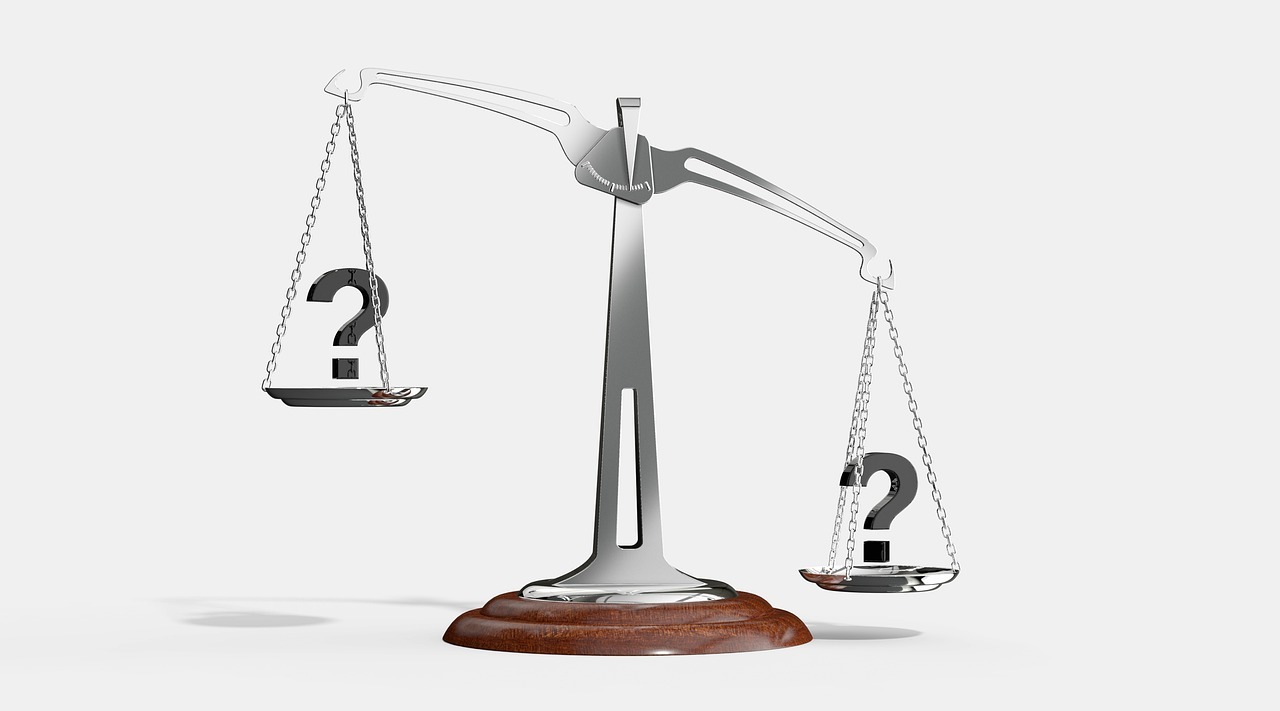
The most generic argument I have ever heard from skeptics about God is that if He exists why does He not stop the wrongs happening in society. But when did God promise life in this world to be perfect, just, and balanced? Divine knowledge is attributed to religious scriptures that have come through revelations from time to time. A preliminary reading of a holy scripture like the Quran essentially explains what the Creator has to say about life on Earth and beyond. Yes, justice is at the heart of a belief system, yet the Creator acknowledges that humans are born in this world with privileges and deprivations. The wisdom lies in understanding the purpose of these variations. It was not meant to create an unjust world but rather to test the actions of individuals when they are bestowed with privileges over one another. The following verses of the Holy Quran are self explanatory.
He is the One Who has placed you as successors on earth and elevated some of you in rank over others, so He may test you with what He has given you. Surely your Lord is swift in punishment, but He is certainly All-Forgiving, Most Merciful. (Verse 6:165)
The test lies in not exploiting the privileges, on the one hand; accepting the hardships and striving to beat the odds with patience, on the other. Expecting life not to throw challenges is like sitting in an examination hall with the answer keys in hand. The jigsaw puzzle of life is there as a test not a reward. Reward or disgrace follows the test. The more we are aware of the injustices existing in the world, the need for a day when the scales are eventually balanced becomes more imperative. That day is the Day of Judgement when we will be handed over the Book of Deeds. Long, tiring, full of chaotic rush and looming uncertainties, it’s a day when no soul will care about anyone, but oneself.
And the record ˹of deeds˺ will be laid ˹open˺, and you will see the wicked in fear of what is ˹written˺ in it. They will cry, “Woe to us! What kind of record is this that does not leave any sin, small or large, unlisted?” They will find whatever they did present ˹before them˺. And your Lord will never wrong anyone. (Verse 18:49)
The promise of the Book of Deeds reckons sincere mindfulness because it will record the minutest details and seek accountability of the highest order. In today’s world it is even easier to understand because if we look back at our browsing history of a day we will be surprised of all the things that passed our mind but which we hardly registered in our conscious memory for long. It is incredible and scary at the same time that nothing which we type goes unregistered. If we are capable of creating a system that registers everything once typed, why can’t our Creator bring whatever He created to stand witness either for or against us. To imagine that the very hand one used to take away the right of another will stand witness against the oppressor, brings an ultimate sense of accountability.
On the Day their tongues, hands, and feet will testify against them for what they used to do.
On that Day, Allah will give them their just penalty in full, and they will ˹come to˺ know that Allah ˹alone˺ is the Ultimate Truth. (Verses: 24:24-25)
Justice has two aspects: what we owe to the Creator for His immense Mercy and our obligations to the social and physical environment around us. And how beautifully behavioral justice is put forth in terms of our relationships with the Creator and everything He Created. Thus, be it the closest relations, familial bonds, the social sphere, and the physical environment at large. Awareness of such intricate relationships, each with its own benefits and challenges beckons higher sensibility and a mindful approach towards life. For example, it is our second nature to care for our children, but when we are made aware of the rights of our parents, then beyond personal relationship, it is putting forth a societal structure where older parents are loved and cared for, equally well. The extent of social obligation on anyone who wishes to be righteous is inclusive of all the possible relations one has in society — and the message is clear. Taking care of each of these relationships is imperative for people who call themselves believers. As the verse goes —
Worship Allah ˹alone˺ and associate none with Him. And be kind to parents, relatives, orphans, the poor, near and distant neighbors, close friends, ˹needy˺ travelers, and those ˹bondspeople˺ in your possession. Surely Allah does not like whoever is arrogant, boastful those who are stingy, promote stinginess among people, and withhold Allah’s bounties. We have prepared for the disbelievers a humiliating punishment. (Verse 4:36)
Certainly, it shifts the focus from what we get to what we give. A conscious state of being when we are aware of our shortcomings nurtures a heart that is tolerant to others’ follies as well. The test is ours and the reward therewith is worth vying for.
And those who believe and do good will be the residents of Paradise. They will be there forever. (Verse 2:82)
It is the promise of glad tidings and eternal bliss which starts here in this world from the peace of mind and satisfaction within, when our acts are in line with justice. Are there any takers?
0 Comments Add a Comment?